
From Evidence to policy.
Panam Institute connects rigorous, evidence-based research and analysis to practical policy implementation — in service of long-term economic stability and equitable growth.
An independent bridge between evidence and policy.
The Panam Institute is an independent, non-partisan policy analysis and advocacy platform.
Research
Complex data made actionable — using official statistics as well as novel sources.
Advocacy
A non-partisan platform for dialogue and collaboration among government, industry, and academia.
Advisory
Strategic counsel for public and private stakeholders in the Bangladeshi economy.
From data to decision.
Research & data analysis
Macroeconomic forecasting, deep-dive sectoral research, and impact assessment.
Policy solutions
Structural frameworks, policy briefs, and reform of key institutions.
Advocacy & dialogue
Neutral forums, strategic advocacy, and clear public narratives.
Strategic advisory
Boutique counsel adapting global best practice to local realities.
Where we work.
Sustainable public finance, low and stable inflation, fiscal–monetary–external synergy, and institutional capacity.
Bottom-up growth, poverty reduction and financial inclusion, SME clusters, skills, and the welfare state.
External positioning, strategic partnerships, South–South cooperation, and the maritime economy.
Renewable energy, the environmental economy, industrialization strategy, and logistics.
Equity and bond market development, asset securitization, and the PE / VC ecosystem.
Leadership & trustees.
 Jyoti RahmanChairperson
 M. Niaz AsadullahSenior Vice Chair
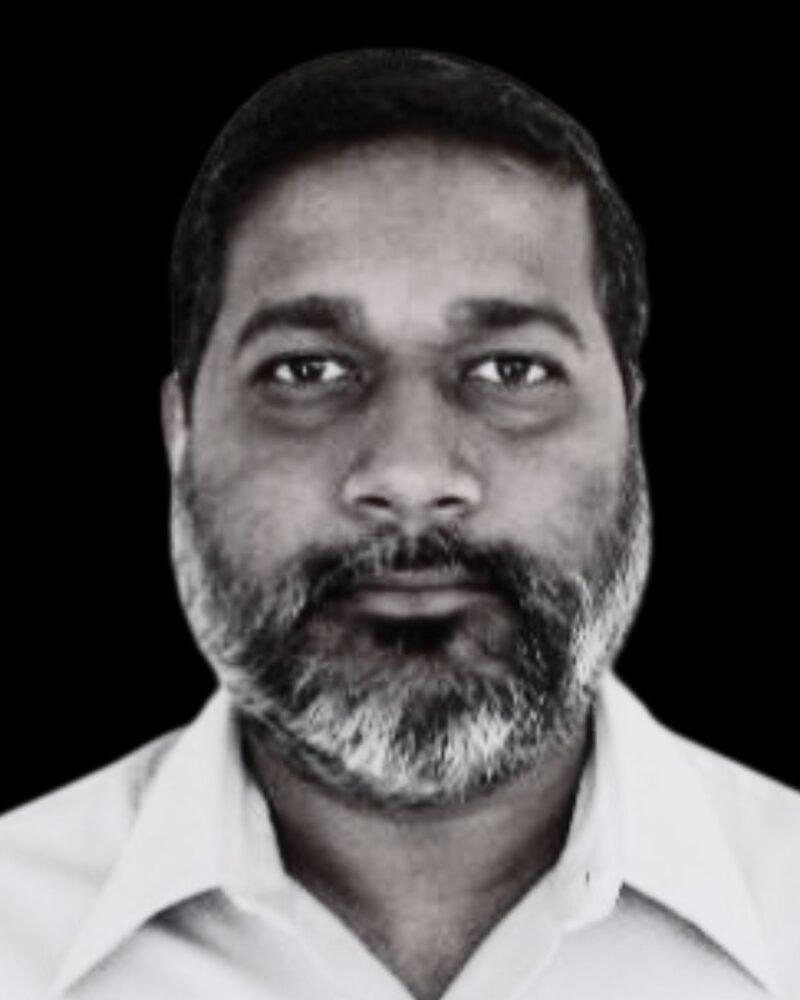 Syed Hasibuddin HussainVice-Chairman
 Md. Rubaiyath SarwarGeneral Secretary
 Asif IqbalTreasurer
 Shafiqur RahmanExecutive Director
 Zia HassanDeputy Executive Director
 Mariha TahsinDirector of Communications
 Rushad FaridiTrustee
 Subail Bin AlamTrustee
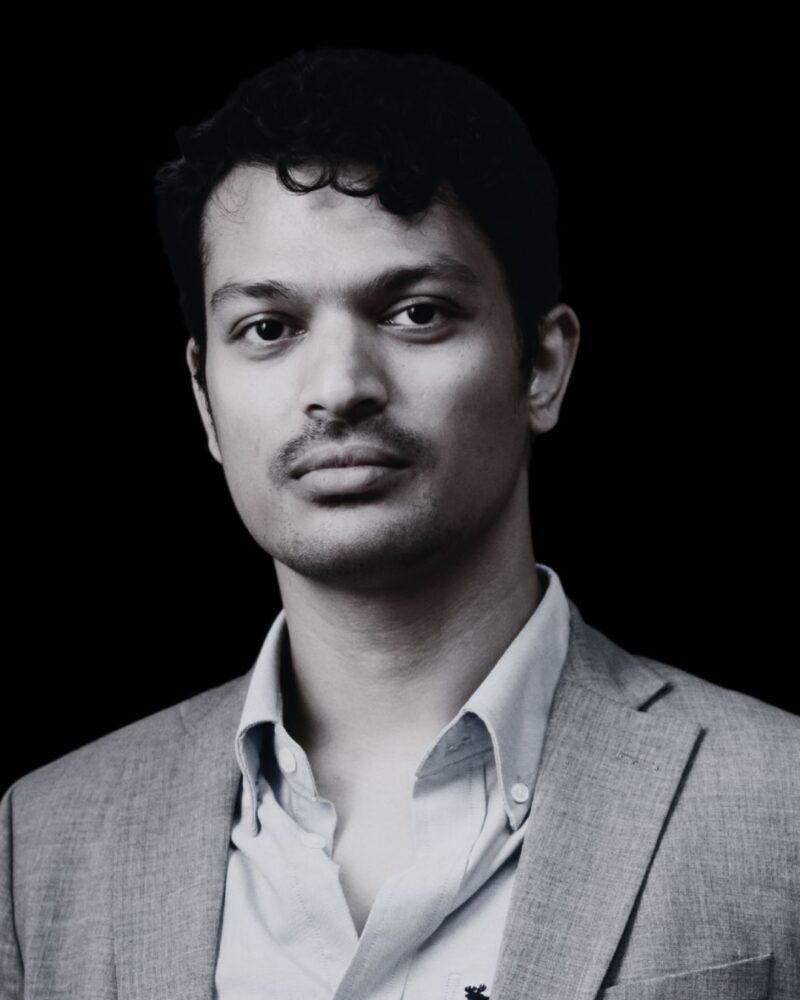 Taukir AzizTrustee
 Asif KhanTrustee
Orthonitir 12ta.
The conversation that became this institute — unconventional, candid economics for a national audience, in podcast form since July 2024.
Latest writing.
Can Bangladesh Afford to Pay Garment Workers a Basic Wage of 30,000 Taka?
Workers cannot live on 12,500 taka and factories cannot sell a T-shirt at the price a monthly wage of 30,000 taka would require. Factories can pay part of it. The state and buyers must cover the rest
Bangladesh Cannot Wait Two Years to Manage its Energy Demand
Finance Minister Amir Khasru Mahmud Chowdhury recently acknowledged that Bangladesh needs at least two years to stabilise its energy sector and the wider economy. The admission is sobering, but also useful. It raises a question that deserves more attention: if adequate supply cannot be restored soon, how will the country manage with scarce energy during […]
Bengal Delta Conferece: Human Capital and Bangladesh’s Global Competitiveness
Bangladesh must prioritize quality employment featuring living wages and robust labor protections. To boost global competitiveness as artificial intelligence transforms traditional production and job markets, he advocates expanding human-centered services like healthcare while shifting education toward core human strengths such as empathy, creativity, imagination, and interpersonal capabilities. Jyoti Rahman, Chairman of Panam Institute, discusses the […]